How to build muscle during menopause (Yes, it’s possible)
By Tanya Sharma, Clinical Content Lead and Exercise Physiologist
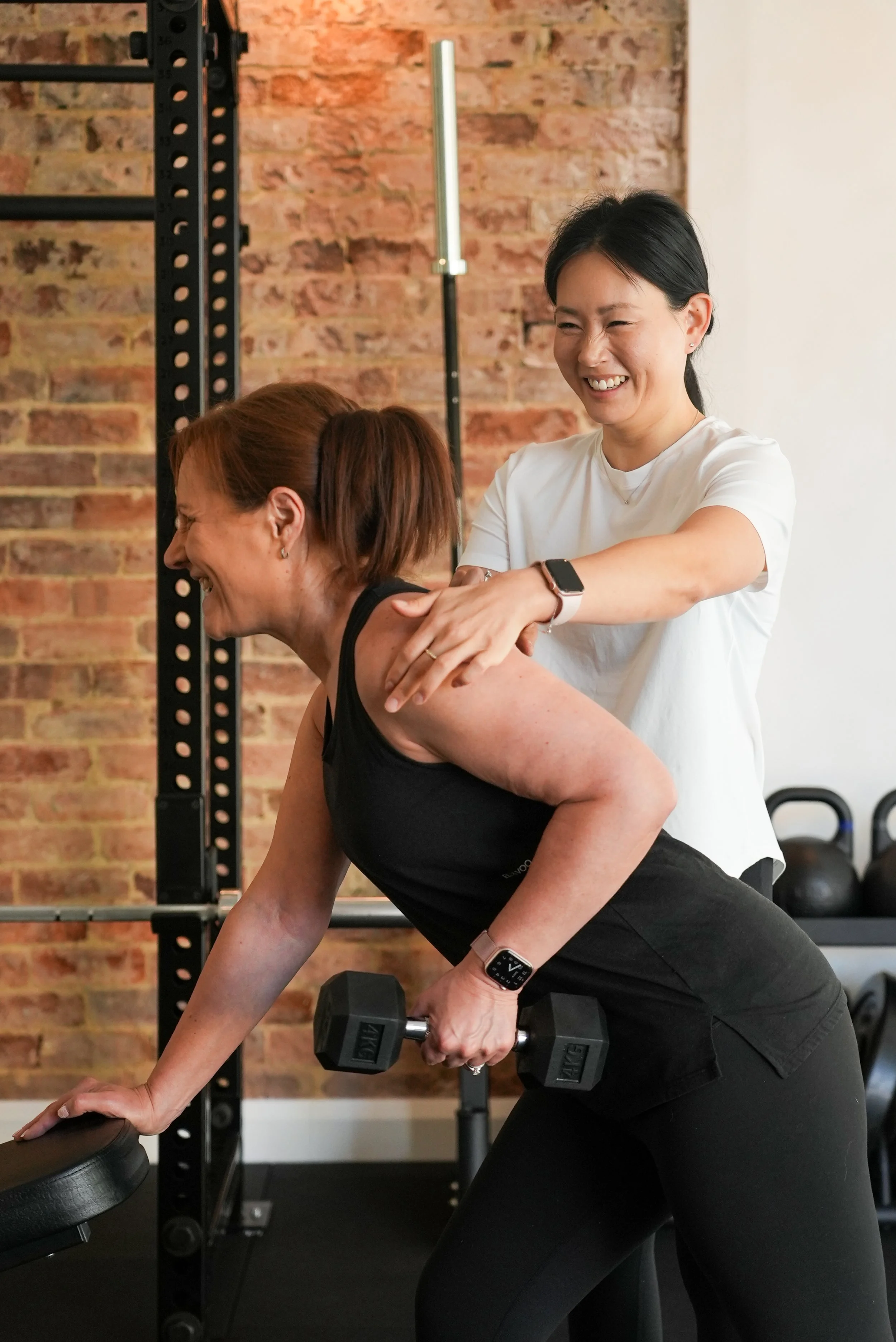
Build muscle during menopause with effective strength training. Learn how to gain strength, improve bone health, and feel confident again.
Muscle loss during menopause is common, but it’s not inevitable. Hormonal changes and ageing do make it harder to maintain muscle mass, that part is true. But with the right training approach, you can still build muscle during and beyond menopause. And the benefits go well beyond looking strong: better bone density, fewer symptoms, and a real shift in how you feel day to day.
Why Muscle loss happens during Menopause
During menopause, declining Oestrogen levels (a hormone that plays a protective role in muscle and bone health) can impact how your body maintains muscle and bone tissue. This can lead to a gradual decrease in muscle mass, reduced strength, and reduced bone mineral density. However, just because these changes can occur doesn’t mean they’re unavoidable. Your lifestyle, particularly your exercise habits, play a significant role in how your body responds during this stage.
The Truth, You Can Build Muscle in Menopause
Despite common misconceptions, women can and do build muscle during and well beyond menopause. Research consistently shows that resistance training is highly effective for improving muscle mass, strength, and overall function in both menopausal and post-menopausal women. [1]
Beyond strength, the benefits extend to:
● Improved metabolic health
● Reduced risk of type 2 diabetes
● Lower cardiovascular disease risk
● Better management of menopause symptoms
The key is training with enough intensity and the right structure, which is where most generic fitness advice falls short.
Best Strength Training Strategies for Menopause
The most important step to building muscle during menopause is making sure your training is intentional and at a high intensity. Light weights and endless high-rep workouts might be great to get a good sweat on, but if you want to build muscle, your body needs a reason to adapt and get stronger.
This means
● building up to strength training at least 2 days a week
● using moderate to heavy resistance.
● Prioritising heavy, compound movements, such as squats, deadlifts, and chest press.
● Applying progressive overload (gradually increasing weight or difficulty)whether that's adding a kilo or two to the bar every 1 or 2 weeks, or progressing to a more difficult exercise. [2]
Muscles are Built in the Kitchen: Why Nutrition Matters
Training is only half the picture. To support muscle growth, your body needs adequate fuel.
Key priorities include
● Protein intake to support muscle repair and growth
● A complete and healthy diet that includes sufficient carbohydrates and fats
● Avoiding chronic under-eating, which can accelerate muscle loss
● Quality sleep to support recovery
Under-fuelling is a major reason women struggle to see results, even when they’re training consistently.
Menopause changes the game, but it doesn’t take you out of it. Strength training, adequate nutrition, and progressive overload aren’t just possible during this stage, they’re some of the most effective tools you have for protecting your health long-term.2
Ready to build strength with Confidence?
At Strength By Women, our Exercise Physiologists work with women in menopause every day. We follow a structured menopause protocol built around progressive strength training, because we’ve seen what it does when the programming is right and the guidance is clinical, not guesswork.
Book an initial consultation and let’s get you started.
Resources
[1]. Capel-Alcaraz AM, García-López H, Castro-Sánchez AM, Fernández-Sánchez M, Lara-Palomo IC. The efficacy of strength exercises for reducing the symptoms of menopause: a systematic review. J Clin Med. 2023;12(2):548. doi: 10.3390/jcm12020548
[2]. Perez KS, Garber CE. Exercise prescription for the menopausal years: promoting and enhancing well-being. ACSM's Health Fit J. 2011;15(3):8–14. doi: 10.1249/FIT.0b013e3182160f2f